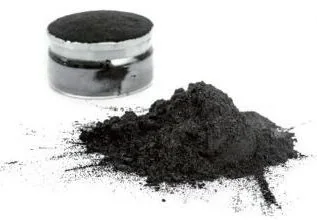
LPF wood-based powdered carbon is a high-performance phosphoric acid carbon made by Qunli, with developed porosity, a high proportion of transitional pores and fast filtration. Suited to batch decolourising, it is used to purify sugar liquor, food additives and pharmaceutical intermediates.
Product features
Phosphoric acid activation runs at a lower temperature than steam activation and gives a higher transitional (mesopore) fraction, matching the size of pigments and colloids, so decolourisation is efficient. Open pore mouths also lower filter cake resistance, making pressure or vacuum filtration markedly faster than comparable products - ideal for workshops with many short batches.
Product specifications
| Project | Notes |
|---|---|
| Raw material | Wood feedstock |
| Manufacturing process | Phosphoric acid activation - washing and recovery - drying - milling |
| Product form | Powdered |
| Standard specifications | Fineness set by your process (e.g. 200 mesh, 325 mesh) |
| Testing performed | GB / JIS / ASTM, with the method chosen to suit your requirements |
| Packaging | 20 kg / 25 kg woven bags, or as required |
| Production site | Yihuang Industrial Zone, Fuzhou, Jiangxi |
Decolourisation power, methylene blue value, iron salts and chlorides of powdered carbon vary with feedstock and process control. For food and pharmaceutical use, request the batch report and relevant compliance documents.
Available specifications
Applications
LPF wood-based powdered carbon is used in these refining and decolourisation steps:
- Sugar liquor and starch sugar decolourisation
- MSG and amino acid broth refining
- Food additives and colourant decolourisation
- Pharmaceutical intermediates and API refining
- Dyeing and dyestuff wastewater decolourisation
Test notes
- Results are analysed to GB, JIS and ASTM standards;
- Specific surface area measured by the BET method;
- Test results are average values for the same batch.
LPF wood-based powdered activated carbon FAQ
There is no universal value; run a dosage gradient test. Split one batch of material into portions, add carbon at different rates (for example 0.1%, 0.3%, 0.5%, 1%) under the same temperature and stirring time, measure colour or absorbance, and plot dosage against decolourisation rate to find the cost-performance turning point. Overdosing wastes money and may adsorb desirable components.
The phosphoric acid process is chemical activation at a lower temperature, giving a higher mesopore fraction, strong decolourisation and fast filtration, but the acid must be washed and recovered. Steam activation is physical activation, giving more developed micropores and higher purity for small molecules. For decolourisation, phosphoric acid grades are usually preferred.
Pressure filtration, vacuum filtration or centrifugation are usual. Filter cake resistance directly affects throughput, which is why filtration speed matters in decolourisation. Filter aids can help with viscous liquids.
Usually required: a product test report (heavy metals, arsenic, chlorides, iron salts), food production licence credentials, and for pharmaceutical use compliance with pharmaceutical excipient standards. The exact list can be aligned to your industry and target market regulations.
Related products
Need a quote or sample of LPF wood-based powdered carbon?
Send us your medium, operating data and volume; a sales engineer will reply within 24 hours.