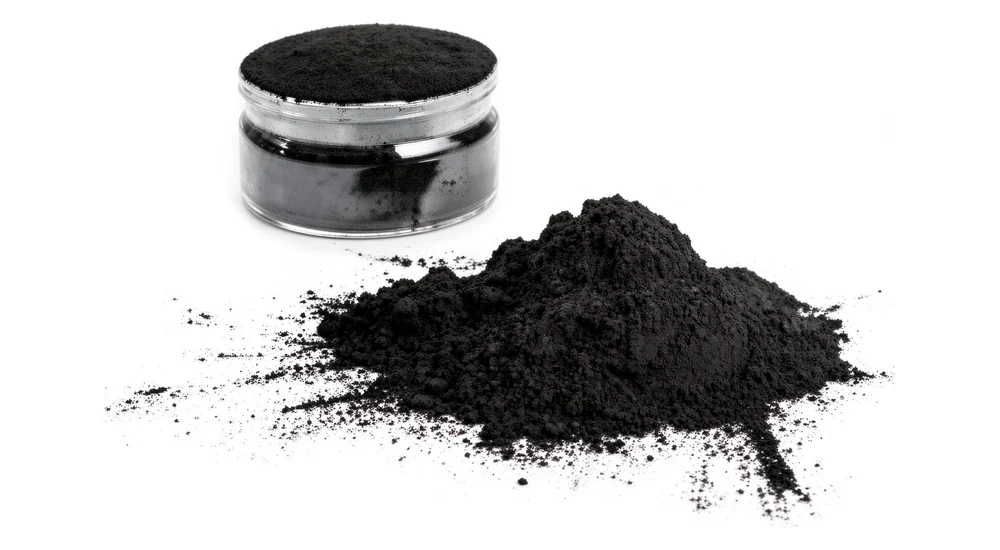
FHM wood-based activated carbon is made by Qunli from selected wood chips by physical activation, with a large surface area and developed pore structure. It is used to decolourise wine, beverages and beer and to purify water in baijiu and brewing.
Product features
The fibrous structure of wood forms well-connected pores after activation, giving efficient decolourisation and clarification, with selective adsorption of higher fatty acid esters and fusel oils that cause haze and off-flavours in wine. Compared with coal-based carbon, wood carbon has low ash and no coal-derived PAH risk, suiting direct contact with food and wine.
Product specifications
| Project | Notes |
|---|---|
| Raw material | Selected wood chips |
| Manufacturing process | Carbonisation - physical activation - screening |
| Product form | Granular |
| Standard specifications | Mesh size set by the customer's process |
| Testing performed | GB / JIS / ASTM, with the method chosen to suit your requirements |
| Packaging | 25 kg woven bags / 500 kg bulk bags, or as required |
| Production site | Yihuang Industrial Zone, Fuzhou, Jiangxi |
Iodine and methylene blue values of wood-based carbon vary with feedstock and activation; for wine treatment also watch pore volume and decolourisation selectivity. Ask a sales engineer for the batch report.
Available specifications
Applications
FHM wood-based activated carbon is used for quality treatment of wine and beverages:
- Baijiu proof reduction and off-flavour removal
- Beer decolourisation and flavour stability
- Refining of rice wine and fruit wine
- Beverage water and syrup purification
- Water adsorption purification for brewing
Test notes
- Results are analysed to GB, JIS and ASTM standards;
- Specific surface area measured by the BET method;
- Test results are average values for the same batch.
FHM wood-based activated carbon FAQ
There is an effect, so selectivity is what matters. Wood carbon has developed pores and adsorbs the large molecules causing haze and off-flavours (higher fatty acid esters, fusel oils, sulfides) strongly, while adsorbing ethanol and the main aroma compounds (esters, acids) relatively little. In practice control dosage, contact time and temperature; over-treatment thins the body, so run a small-sample gradient test first.
Wood-based carbon has low ash and well-connected pores, giving efficient decolourisation and clarification. Its renewable feedstock also avoids the PAH risk possible with coal-based materials, so it suits direct food and wine contact. Coal-based carbon is cheaper with a broader adsorption spectrum, and is mostly used for water treatment and industrial exhaust.
It depends on the process and equipment. Continuous columns use granular carbon: finer particles adsorb faster but raise pressure drop. Batch dosing more often uses powdered carbon. Tell us the equipment, throughput and contact time for a recommended size and trial samples.
Spent carbon from wine and beverage contact is general industrial solid waste and can be disposed of under local rules, or assessed for use as fuel or for regeneration. Other additives may require a different waste classification.
Related products
Need a quote or sample of FHM wood-based activated carbon?
Send us your medium, operating data and volume; a sales engineer will reply within 24 hours.