Selecting activated carbon comes down to three questions: what medium is being treated, what has to be removed, and what equipment it runs in. Liquid-phase adsorption looks at iodine and methylene blue values, gas-phase adsorption at CTC value and the target gas, and continuous beds also need strength, bulk density and pressure drop. Below are Qunli applications and recommended grades in six typical fields.
Drinking water and municipal treatment
Removes residual chlorine, odours, colour, algal metabolites and some organics. Main uses are municipal waterworks, secondary supply and industrial pure water pre-treatment, usually in granular fixed beds with regular backwashing and replacement.
Recommended grade: GAC coal-based granular carbon (standard duty), PSD coconut shell carbon (high purity)
- Watch iodine value, strength, bulk density and pressure drop
- Common sizes: 8x20 mesh, 12x30 mesh
- For food grade use, confirm the Food Production Licence and water sanitation requirements

Food and beverage decolourisation
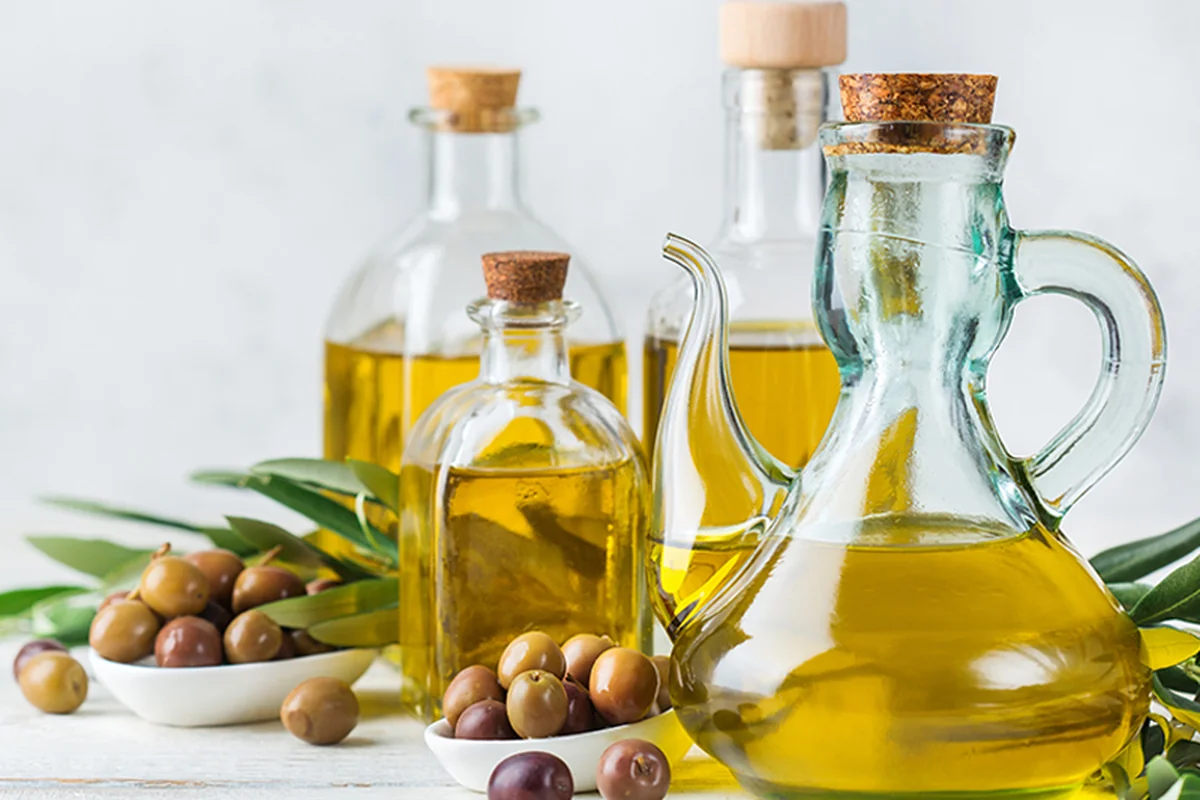
Decolourising and deodorising sugar liquor, glucose syrup, edible oil, wine and beverages are typical uses for wood-based and food grade coal carbon. Powdered carbon suits batch dosing; granules suit continuous fixed beds.
Recommended grade: LPF wood powder carbon, FHM wood-based carbon, DCS coal-based granular carbon
- Watch methylene blue value, iodine value, ash and pH
- High ash harms flavour and colour; acid-washed carbon is safer
- Confirm food grade credentials and heavy metal control
Semiconductor ultrapure water and POE / POU treatment
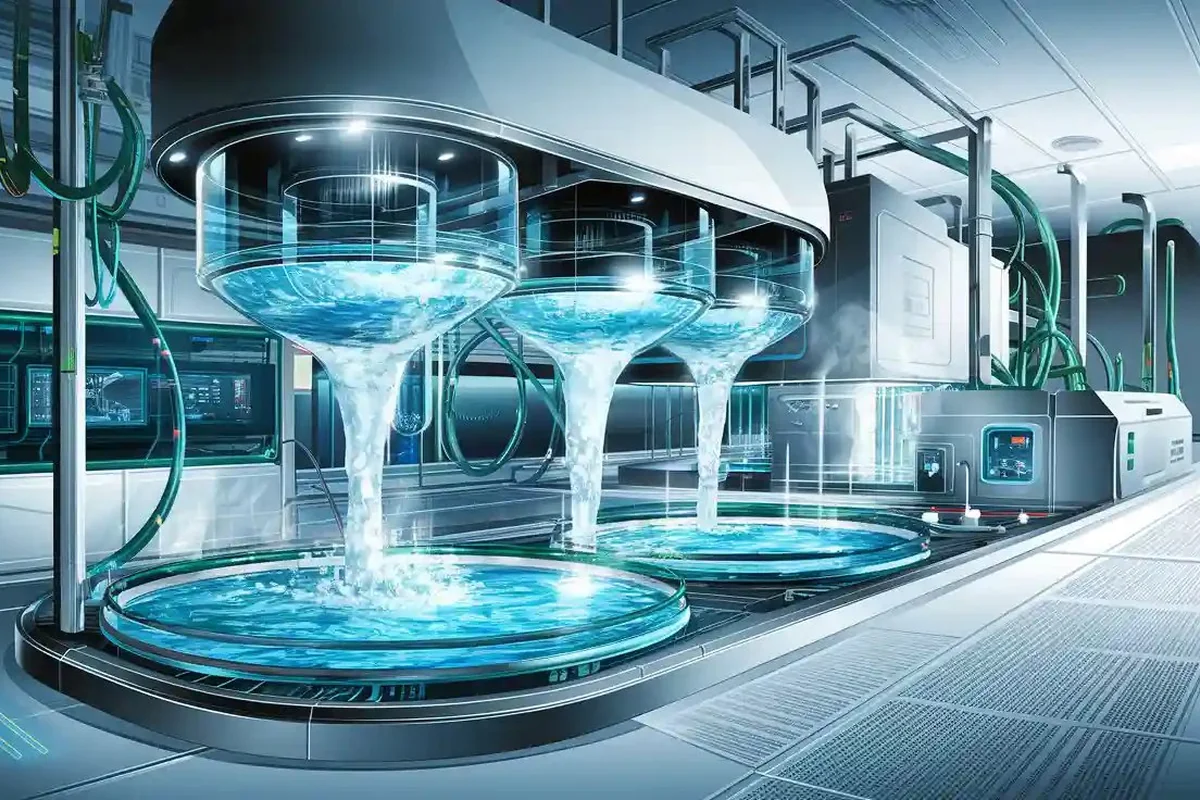
Ultrapure water systems are extremely sensitive to TOC, particle shedding and ionic residues, so acid-washed high-purity coconut shell carbon is used in pre-treatment and POE/POU stages to control organics and residual chlorine.
Recommended grade: PSD coconut shell activated carbon
- Watch iodine value 1000-1500 mg/g, specific surface area, ash, water-soluble impurities
- Common sizes: 12x30 mesh, 20x40 mesh, 30x60 mesh
- Verify rinse water quality before commissioning
Air purification and personal protection
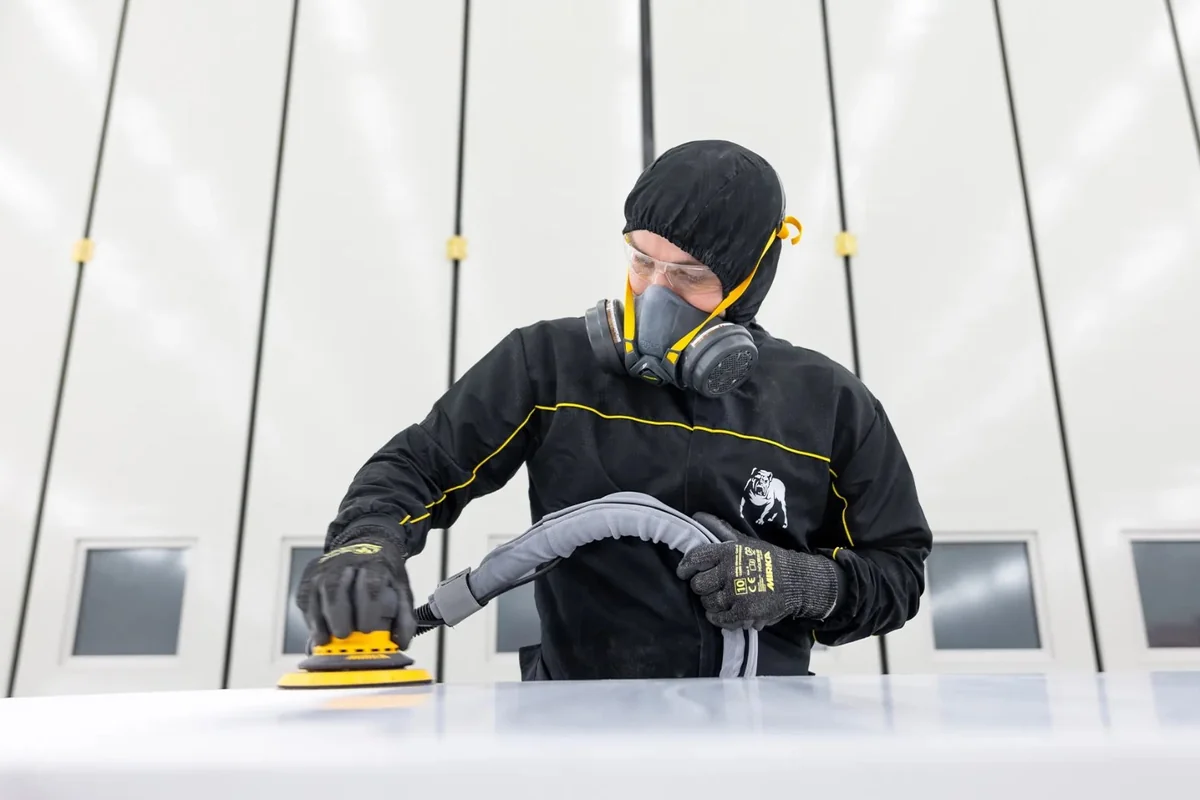
Gas masks, cartridges and industrial exhaust units use impregnated carbon. Choose by target gas: Type A for organic gases, AE for acid gases, K for ammonia and ABEK for complex mixtures.
Recommended grade: Type A, AE, K and ABEK protective carbons
- Watch CTC value, protection time, strength and packing density
- Grades are not interchangeable; match the target gas
- For escape applications, protection time labelling is strictly regulated
Flue gas desulfurisation and denitration (activated coke)
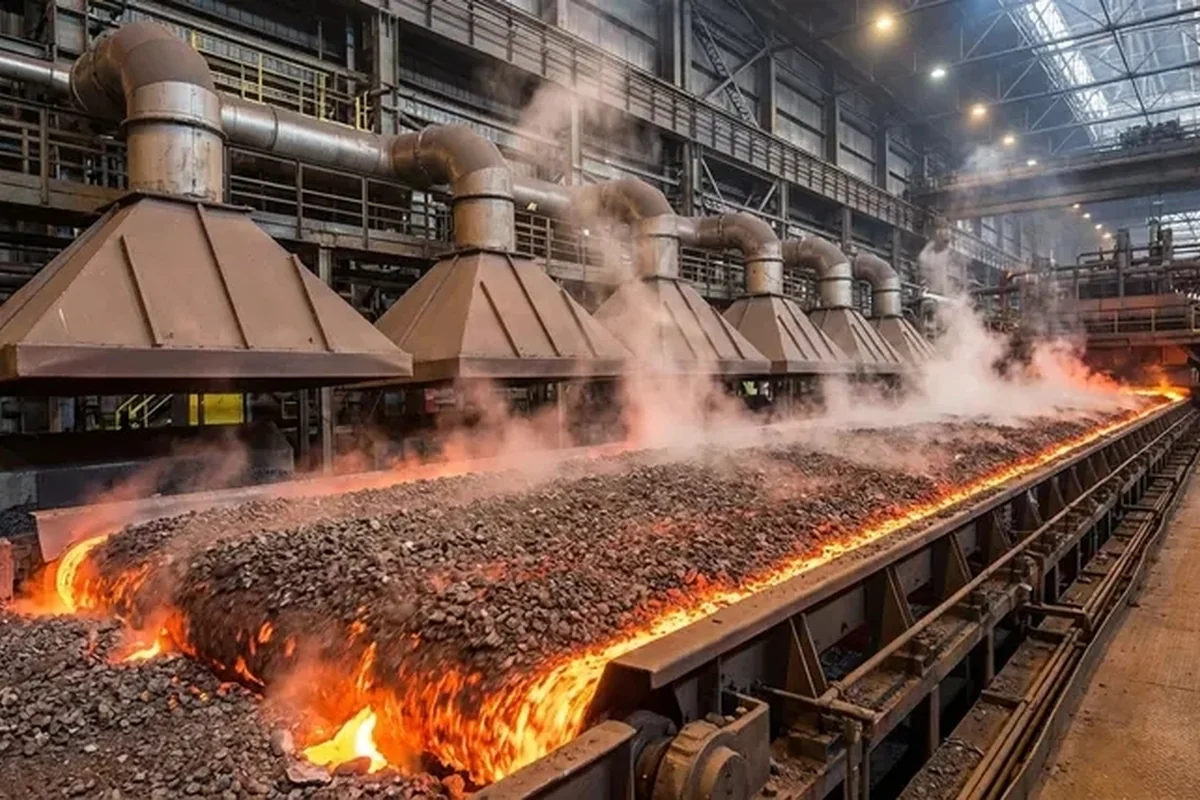
Steel sintering, pelletising and coking use dry activated coke treatment. 5 mm and 9 mm columnar coke circulates in the adsorption tower, removing SOx and NOx together with some dust.
Recommended grade: TLX desulfurisation activated coke (5 mm / 9 mm columnar)
- Watch compressive strength, abrasion resistance, adsorption capacity and fire point
- High-pressure forming raises mechanical strength and cuts operating losses
- Bed volume and cycle rate calculated from flue gas temperature and SO2/NOx levels
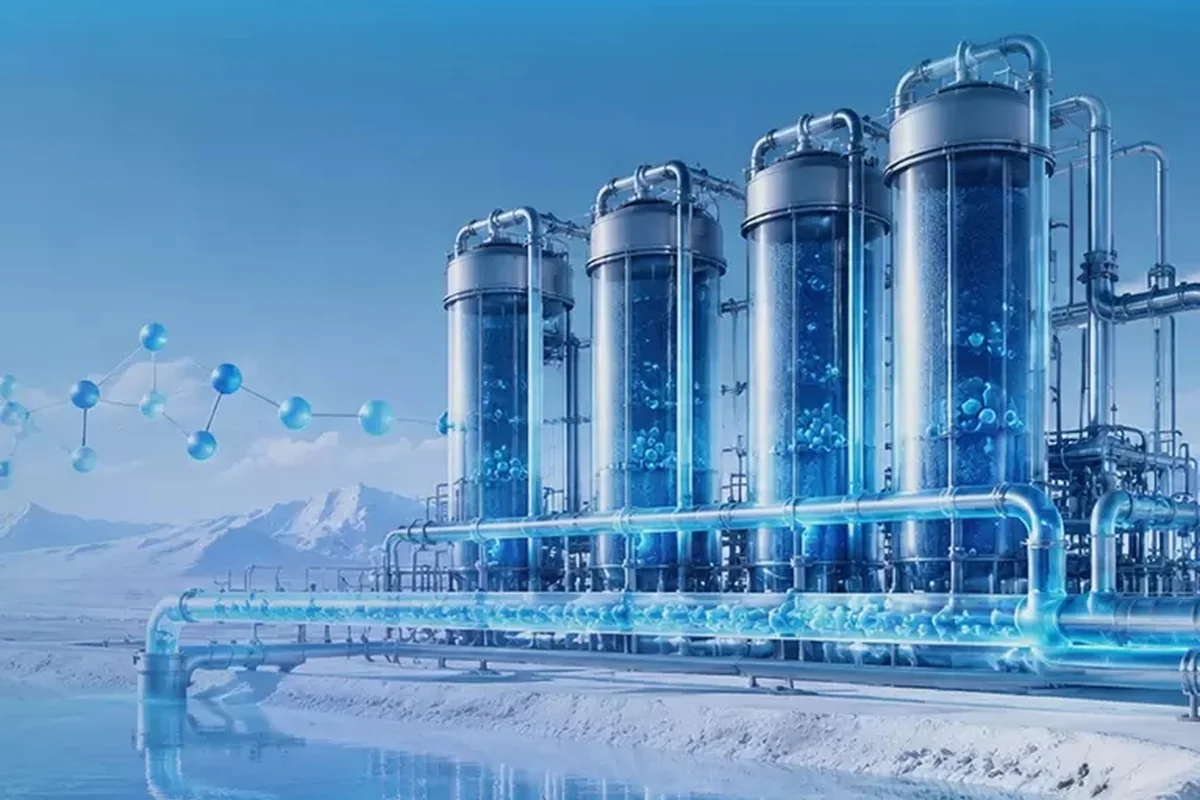
Lithium battery oil extraction section
Oil extraction in lithium material production needs high-purity carbon to control impurities and extractables. Coconut shell and nut shell grades are widely used for their uniform pore structure and low ash.
Recommended grade: MF-ZS (coconut shell base) and MF-Z (nut shell base)
- Watch ash, water-soluble impurities, iodine value and strength
- Metal ion and extractable limits tighter than for standard water treatment carbon
- Run small-sample soaking and extraction tests first