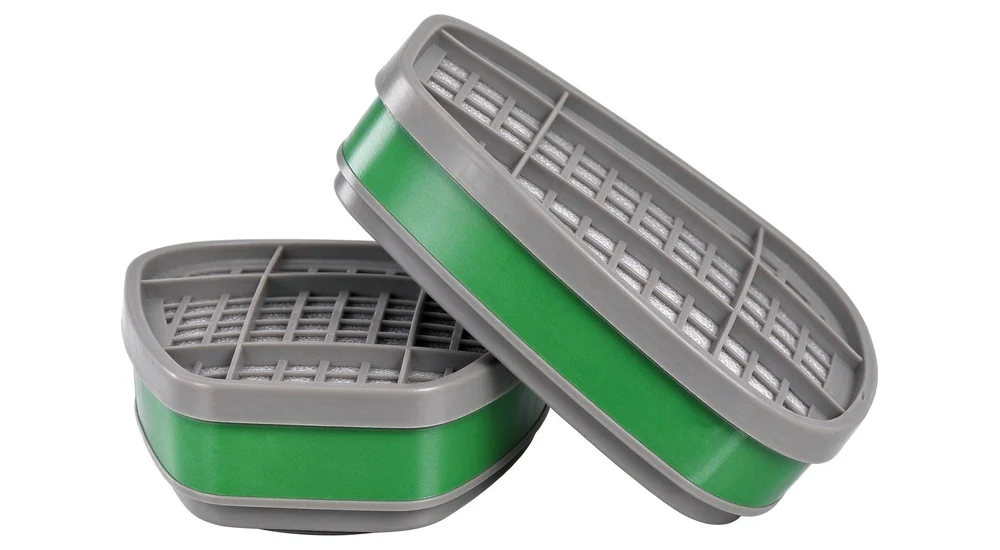
Type K ammonia protective carbon is an ammonia-specific impregnated carbon made by Qunli for ammonia and alkaline irritant gases. It serves respiratory protection and gas purification wherever ammonia leaks are possible: pharmaceuticals, chemicals, synthetic fibres, plastics, fertiliser production and cold store plant rooms.
Product features
Ammonia is small and strongly polar, so ordinary carbon adsorbs it only weakly; an acidic impregnant must neutralise it into a salt. Type K is formulated for ammonia's high reactivity, balancing adsorption rate and capacity, giving a useful protection window where ammonia levels may spike, such as refrigeration plant rooms and fertiliser workshops.
Product specifications
| Project | Notes |
|---|---|
| Base material | Coconut shell activated carbon |
| Impregnation process | Acid impregnation treatment |
| Protection target | Ammonia and alkaline irritant gases |
| Product form | Granular (sieved to equipment requirements) |
| Standard specifications | Mesh size set by cartridge / filter box design |
| Test methods | Protection time and resistance tested to your equipment standard |
| Packaging | Sealed moisture-proof packaging |
| Production site | Yihuang Industrial Zone, Fuzhou, Jiangxi |
Ammonia protection depends on impregnation level, bed depth, ammonia concentration and relative humidity, and must be tested to your equipment standard. Store impregnated carbon sealed and dry so the impregnant stays active.
Available specifications
Applications
Type K ammonia protective carbon is used in these ammonia scenarios:
- Ammonia refrigeration plant inspection and maintenance
- Fertiliser and ammonium nitrate plants
- Ammonia protection in pharmaceuticals and synthetic fibres
- Plastics and chemical raw material storage
- Aquatic cold stores and food freezing
Test notes
- Results are analysed to GB, JIS and ASTM standards;
- Specific surface area measured by the BET method;
- Test results are average values for the same batch.
Type K ammonia protective carbon FAQ
Ammonia is a small, strongly polar molecule. The micropores of ordinary carbon adsorb it only weakly, so uptake is low and desorption easy. Effective protection requires an acidic impregnant that neutralises ammonia into a salt fixed in the pores.
Fit ammonia-rated cartridges or dedicated escape respirators to the applicable standard, and make sure personnel are trained and know the escape route. Note that cartridges only work where oxygen is adequate and ammonia is within the rated range; high-concentration leaks or oxygen-deficient spaces require positive-pressure air breathing apparatus.
Where only ammonia and alkaline gases are present, Type K is more targeted. But plant rooms and fertiliser workshops often have other gases too, so ABEK multi-gas protection is safer. For escape equipment, configure to the site risk assessment rather than to cost.
Keep sealed, dry and away from heat. Most impregnants are water-soluble salts; moisture makes them migrate and cake, reducing protection and raising breathing resistance. Follow the labelled shelf life and use opened packs promptly.
Related products
Need a quote or sample of Type K ammonia protective carbon?
Send us your medium, operating data and volume; a sales engineer will reply within 24 hours.