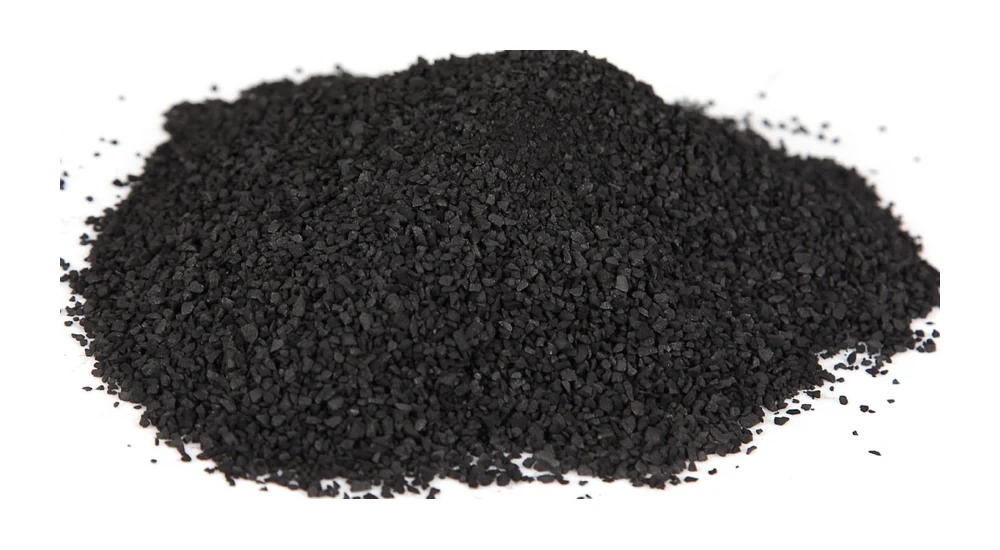
Coconut shell and coal-based activated carbon are the two most common products in liquid-phase adsorption, and selection cannot be based on iodine number or unit price alone. This article compares raw material and pore structure, adsorption indices, mechanical strength and ash, cost and regeneration, then gives recommendations by application.
Raw material and pore structure: how micropores and mesopores divide the work
Coconut shell carbon is made from coconut shells: its micropores are well developed with a narrow pore-size distribution, giving selective adsorption of small organic molecules, residual chlorine and odours. Coal-based carbon is made from high-quality anthracite and has a higher proportion of mesopores, so it holds larger pigment and organic molecules better; raw material supply is stable, making it suitable for large-scale continuous use.
Adsorption indices: choosing iodine and methylene blue values by application
The iodine number reflects the volume of micropores, while the methylene blue value indicates adsorption of medium-molecular-weight substances. For drinking water deodorisation and residual chlorine removal, the iodine number matters more; for sugar liquor and edible oil decolourisation, look at the methylene blue value. Jiangxi Qunli Activated Carbon can provide same-batch test data to GB, JIS and ASTM standards for direct comparison.
Strength and ash: critical for dynamic bed operation
Fixed and moving beds require repeated backwashing and air scouring; insufficient strength generates fines and raises bed pressure drop, while high ash can introduce inorganic impurities into the system. Food and water-sanitation applications generally call for acid washing to reduce ash, and granular carbon strength is usually required to exceed 95%.
Cost, regeneration and selection advice
Coconut shell carbon usually costs more per tonne than coal-based carbon, but its micropore capacity is higher and its service life longer; coal-based carbon has a cost advantage in high-volume water treatment and flue gas cleaning. Compare unit price, fill volume, replacement interval and regeneration losses together: choose coconut shell granular carbon for drinking water and beverage process water, powdered carbon for sugar liquor and oil decolourisation, and columnar activated coke for flue gas desulphurisation and denitrification.
A higher iodine number is not automatically better: over-activation sacrifices strength, and decolourisation also depends on the methylene blue value. Always judge against the actual operating conditions.
Related questions
Not necessarily. Coconut shell carbon has well-developed micropores and high strength, suiting drinking water and advanced purification; coal-based carbon has more mesopores and lower cost, suiting high-volume treatment and decolourisation. Choose according to the molecular size of the target pollutant, equipment type and budget.
Not without verification. The iodine number only reflects micropore volume; also check methylene blue value, ash, strength, particle size and bulk density, and run a sample trial before switching an entire batch.
Related reading
Need selection advice for your operating conditions?
Tell us the medium, concentration and equipment type; our engineers will propose a solution.